Interested in helping wildlife in the San Francisco Bay Area?
Complete our Volunteer Application
As an all-volunteer-run grassroots non-profit, we always need volunteers. If you are interested, here are the many ways you can help:
On-Site Volunteer:
NOTE: There is currently a wait list to join the on-site team. However, please fill out the form, as things tend to move very quickly!
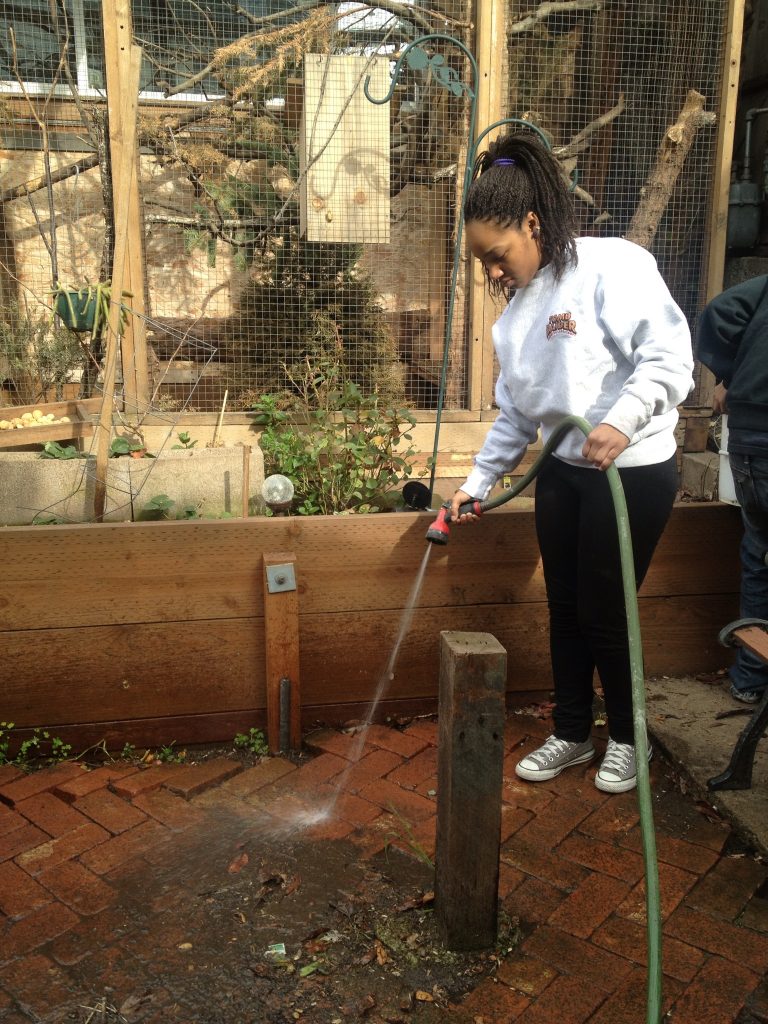
On-Site volunteers work a 2-3 hour shift indoors and outdoors at our San Francisco-based Intake Center. Duties include filling water bottles, cleaning opossum enclosures, feeding animals, washing food dishes, and general cleaning of the grounds.
Requirements:
| -Ability to bend and lift at least 25 lbs -Ability to follow instructions carefully and accurately -Ability to volunteer on a weekly, regular schedule for at least 2 hours -Ability to get to San Francisco location |
Infant Care Team:
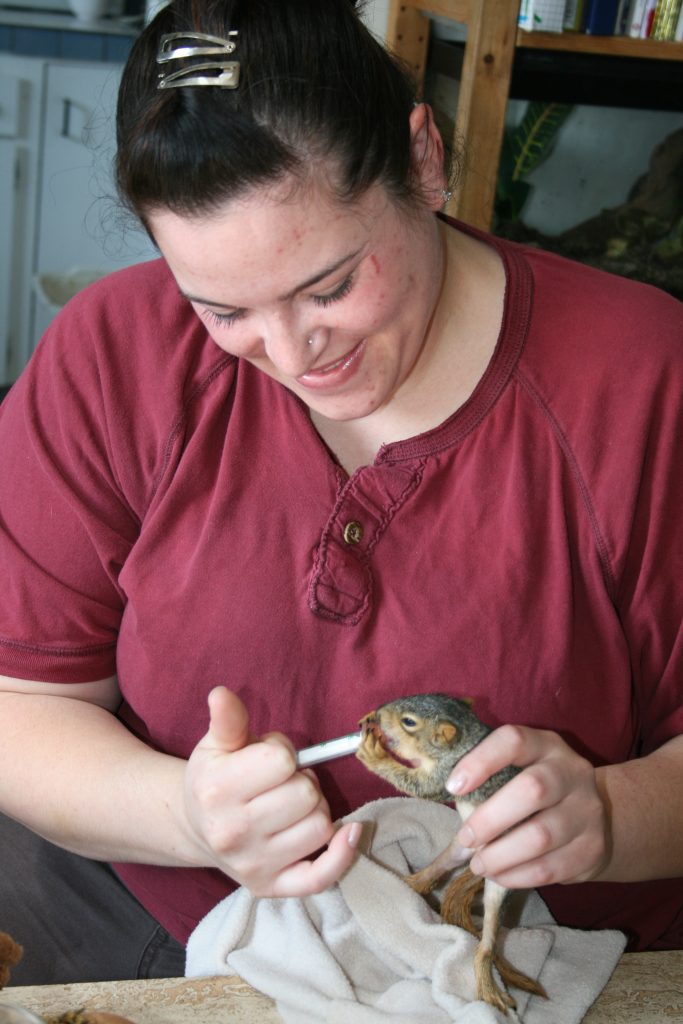
Infant Wildlife Foster Team: Care for small groups of orphaned baby animals (such as squirrels or opossums) in your home with the ultimate purpose of releasing them back into the wild to give them a chance at a normal life. These animals are too young to be outside and need care throughout the day and sometimes night. YUWR will train you according to our state-approved protocols. We can provide some supplies for this very rewarding work, but there will be some out-of-pocket expenses, as well.
| Requirements: -Ability to be with animal and respond to his/her needs 24 hours a day -Ability to feed these babies every 2+ hours during the day when they are very young, graduating to fewer and fewer feedings throughout the day as they grow. For their first 6 weeks of life, during this critical time, they can travel with you in a nest box for feeding. (Check with your job to ensure that your boss will allow this, if needed.) -Depending on the species you’re fostering, commitment ranges from 3 weeks to 3 months -Safe, quiet room in your home to keep their playcage that is free from pets or human traffic -When they are older, you have the choice of continuing their care by providing them an outdoor pre-release cage in your backyard, or you can return them to us for placement with one of our Rewild Team members -Ability to cope with the death of animals (not all foster animals survive). -Ability to follow directions carefully and accurately -Reliable transportation to transport animals when necessary -Physical ability to handle and capture animal(s) as necessary. -Ability to understand animal body language to safely interact with animals A positive attitude and ability to successfully work with others and represent the organization in a positive manner |
Foster To Forest – ReWild Team:
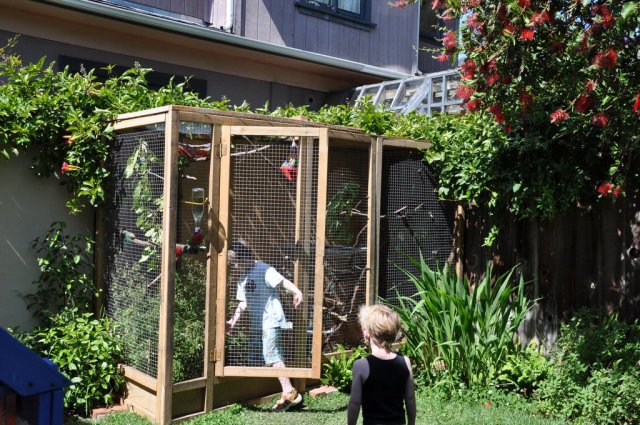
If you have space in your backyard for an outdoor enclosure and want to give orphaned wild animals a second chance, you will want to join this team! You will be caring for animals (mostly squirrels or opossums) who are almost ready to be released and who must acclimate to their surroundings by being in an outdoor enclosure for a minimum of one month — up to two months, depending on the species. You would also help identify suitable release locations and facilitate animal releases! No experience necessary. We provide all the training!
| Requirements: -You must have the space and willingness to have at least a 4’X8’X8” cage on a secured space on your property. -You would feed and clean the animals in the cage on a daily basis. -There will be some expenses. -Must live in the San Francisco Bay Area. |
Transport Team:
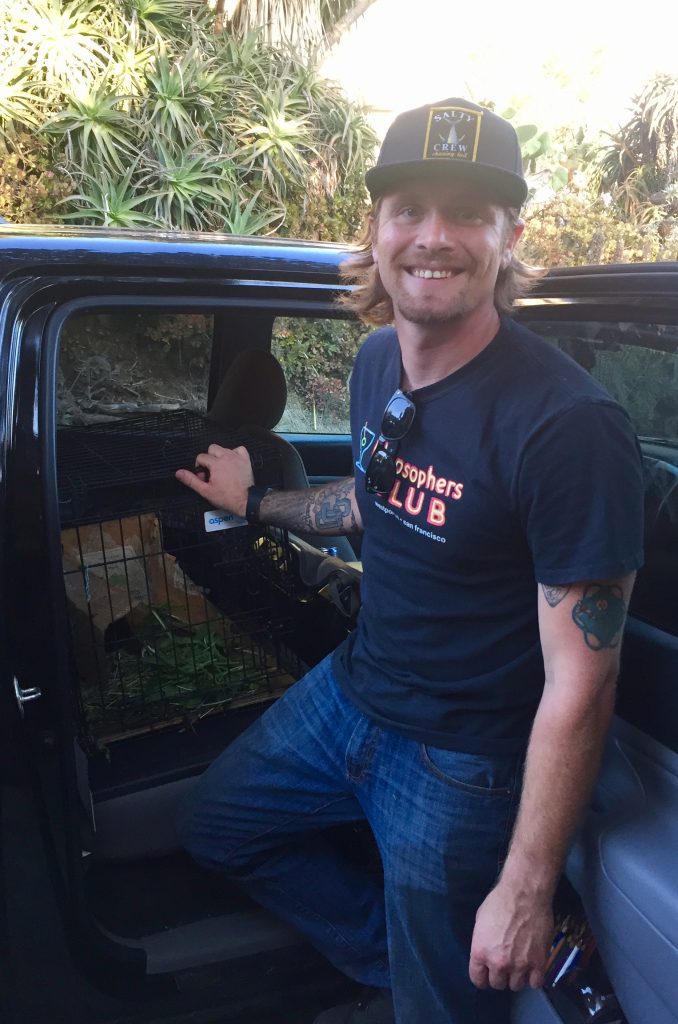
Be a wildlife animal’s Ambulance! Help get them into care at our wildlife hospital. Drive animals from one location to another, such as from a wildlife center to a foster home. Many injured animals are brought to the Berkeley or Oakland Animal Care & Control and need to get to our location in San Francisco for triage, medical care, and to be placed into foster care. Often, these city departments are overwhelmed with other problems and are not able to transport these animals to facilities better equipped to care for their medical needs, such as ours. We also need other kinds of transport, such as weekly pickups of produce from your local produce market or weekly collection of fresh branches for cage enrichment.
| Requirements: -Willingness to join text group to receive texts when animals need transport -Willingness to drive with animals in your car, while being sensitive to the fact that the animal is probably terrified, so please keep radio set to low and keep dogs away from the animal carrier at all times -Current CA State drivers license -Access to vehicle and ability to cover cost of fuel/tolls etc. Most transportation is between East Bay and San Francisco; -Proof of insurance |
Emergency Response Team:
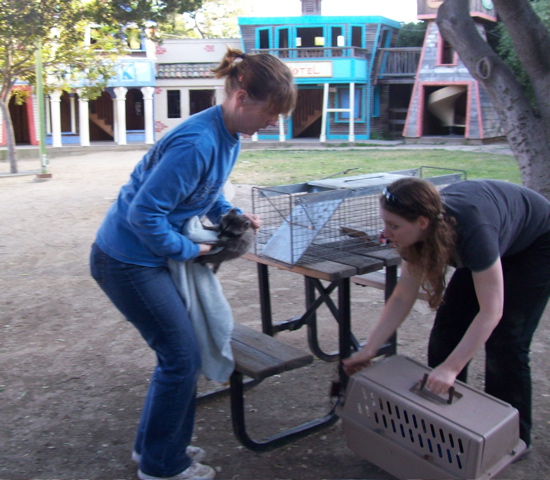
The San Francisco Bay Area needs experienced people who would go out to help untrained members of the public retrieve wildlife needing care.
| Requirements: Ability to drive out to various locations with nets and traps to meet with reporting person to help catch wildlife in distress. Ability to communicate effectively in English verbally and in writing. Ability to read instructions and convey them successfully to others. Ability to provide excellent service and handle conflict including upset/flustered individuals Ability to keep your cool |
Build Team:
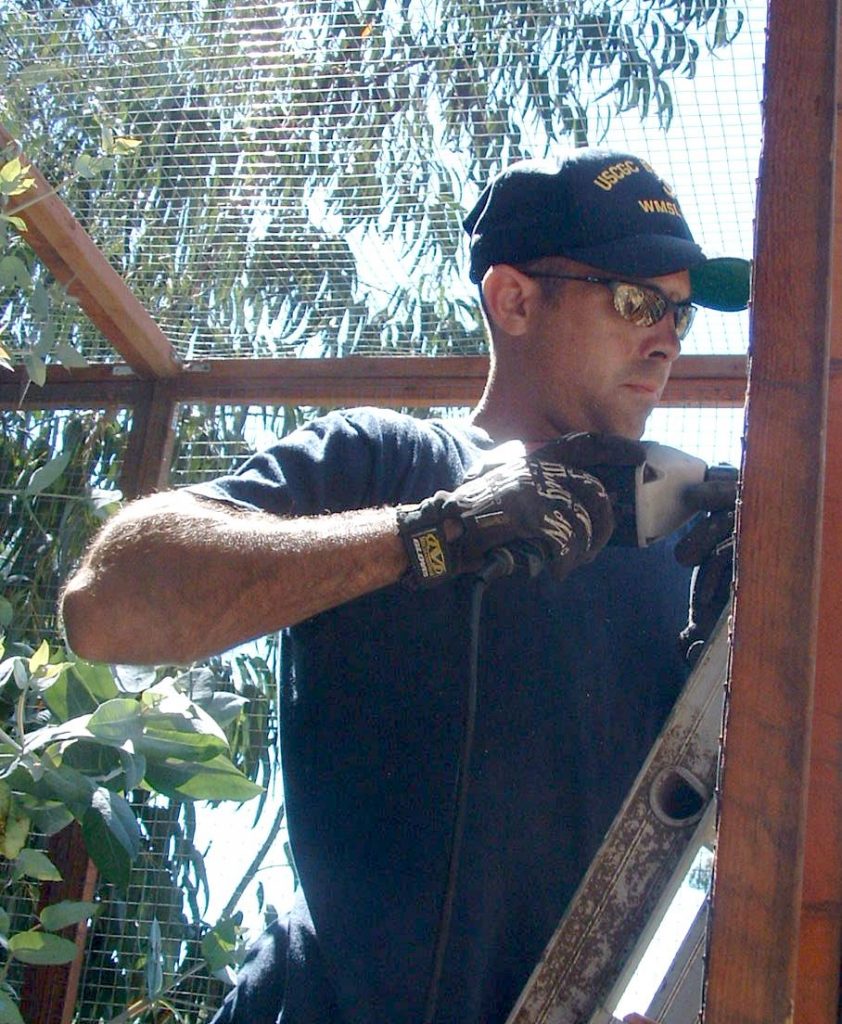
Help build animal enclosures that would be placed on the properties of temporary foster homes.
| Experience, ability, and comfort building things following a provided plan; Access to construction tools Willingness and ability to transport and/or store enclosure components for pick-up or drop-off by volunteers |
Public Outreach and Education Team
Assist with outreach activities to educate the public about wildlife and YUWR’s mission, including writing letters and articles, posting on social media, updating the website, and giving educational talks to groups both in person and online. Part of our work consists of educating the public on how important our urban wildlife is and why. We need fliers and pamphlets made on how to live with urban wildlife and how beneficial urban wildlife is in direct ways. For example, opossums are wonderful mousers and snailers. When snail-bait is used, opossums eat the snails and die from the poison, allowing mice move into their territory. Wouldn’t you rather have an opossum living under your house eating all your mice and snails?
YUWR is looking for self-motivated volunteers who like to make presentations in front of elementary school-aged children. The ability to present a 25-45 minute slideshow about local wildlife in a fun and exciting way to keep the interest of kids is a must! Please contact us for more details.
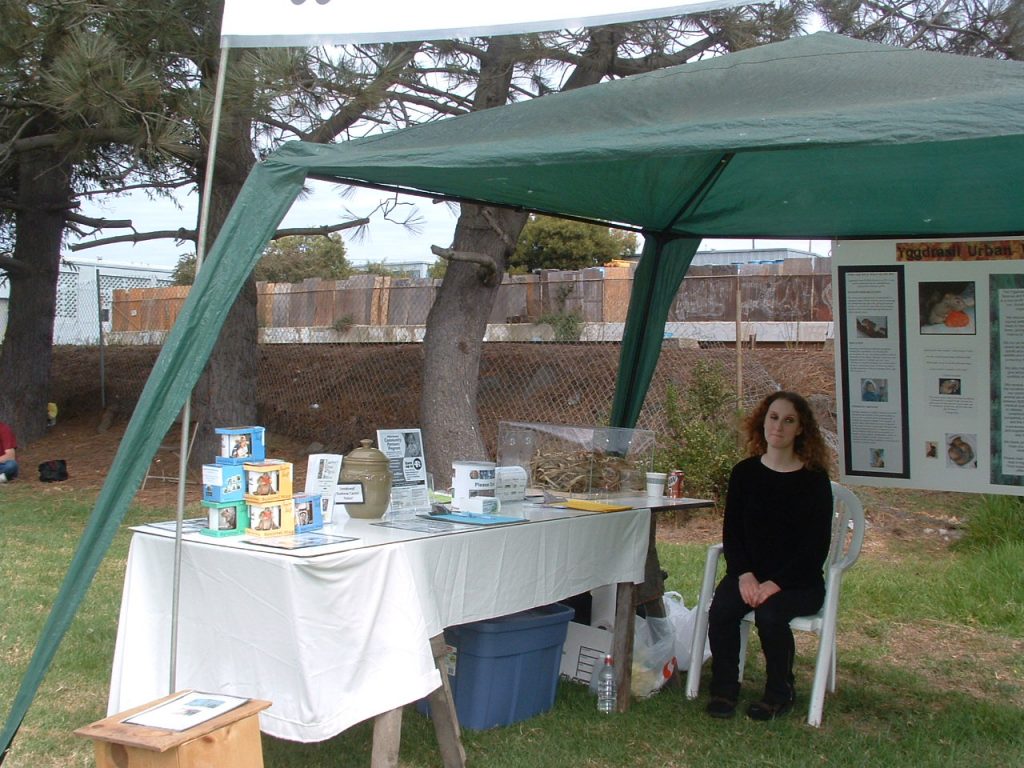
We are also looking for volunteers to man booths at Festivals to teach about wildlife and the environment and recruit new volunteers and interest.
| -Graphic artists -Website designers -Social media experts -Professional photographers -Professional writers -Education materials |


Pingback: 2023 In A Nutshell – Our End-Of-Year Review – Yggdrasil Urban Wildlife Rescue (YUWR) and Education Center
Pingback: 2022 In A Nutshell – Yggdrasil Urban Wildlife Rescue (YUWR) and Education Center