
2023 in a nutshell
764 patients, a partnership with the state to rewrite California's wildlife rehabilitation rules, and a facilities crisis we're still building our way out of.
Published December 29, 2023
- Animals helped
- 764
- Hotline calls
- 2,700+
- Hotline texts
- 10,500+
Wildlife rehabilitation (v.): an attempt to mitigate the human impact on our natural environment by rescuing orphaned and injured wildlife animals and raising them with the expressed purpose of being released back into the wild, giving them a second chance at a normal life.
Director’s letter
Wildlife rehabilitation is more complex than most people realize. There are federal, state, and local laws to comply with. There are disease outbreaks and quarantines to navigate. There are diagnostic mysteries to solve, and sometimes euthanasia to perform when all treatments fail. There are the emotions of the human finders to soothe, as well as the emotions of our volunteers to gently manage when we lose a longtime beloved ambassador (or any wildlife patient, really). And there are my own emotions to ride out too, and those of my family, who are dragged along on this adventure by being my support system. But most importantly, and at the forefront of everything we do, there is the health, safety, welfare, and needs of the individual animal that we are privileged to be able to help. They cannot tell us what they most need or want, so we have to listen and watch, and do our best to help them. Sometimes it is easy to juggle all these factors and have a successful outcome. Sometimes it is more difficult and we cannot make everyone happy. But at the end of the day, it is always the welfare of the individual animal that is our highest priority.
2023 was an interesting year. We faced the usual challenges of wildlife rehabilitation, not having enough volunteers, supplies, or support, but somehow making it through anyway. We started on the legislative process, in partnership with the California Department of Fish and Wildlife, of rewriting the regulatory guidelines for wildlife rehabilitation in the state of California, a tricky, monumental task that is well overdue. We faced a facilities crisis, which we are still in the midst of (if anyone knows a contractor who loves wildlife, please give them our number). We developed a plan to improve and enlarge our outdoor pre-release enclosures and hope to implement this project this winter. (Again, any carpenters among our readers?) We are so proud of our volunteer team, and that together in 2023 we were able to rescue, rehabilitate, and release 764 wildlife patients, and the year isn’t over yet. Last night we received a hit-by-car tree squirrel who is receiving care for a broken collarbone. The day before it was a waterlogged hummingbird who just needed a warm, dry respite from the rainstorms. Who knows what animals may need our help over these final three days of 2023.
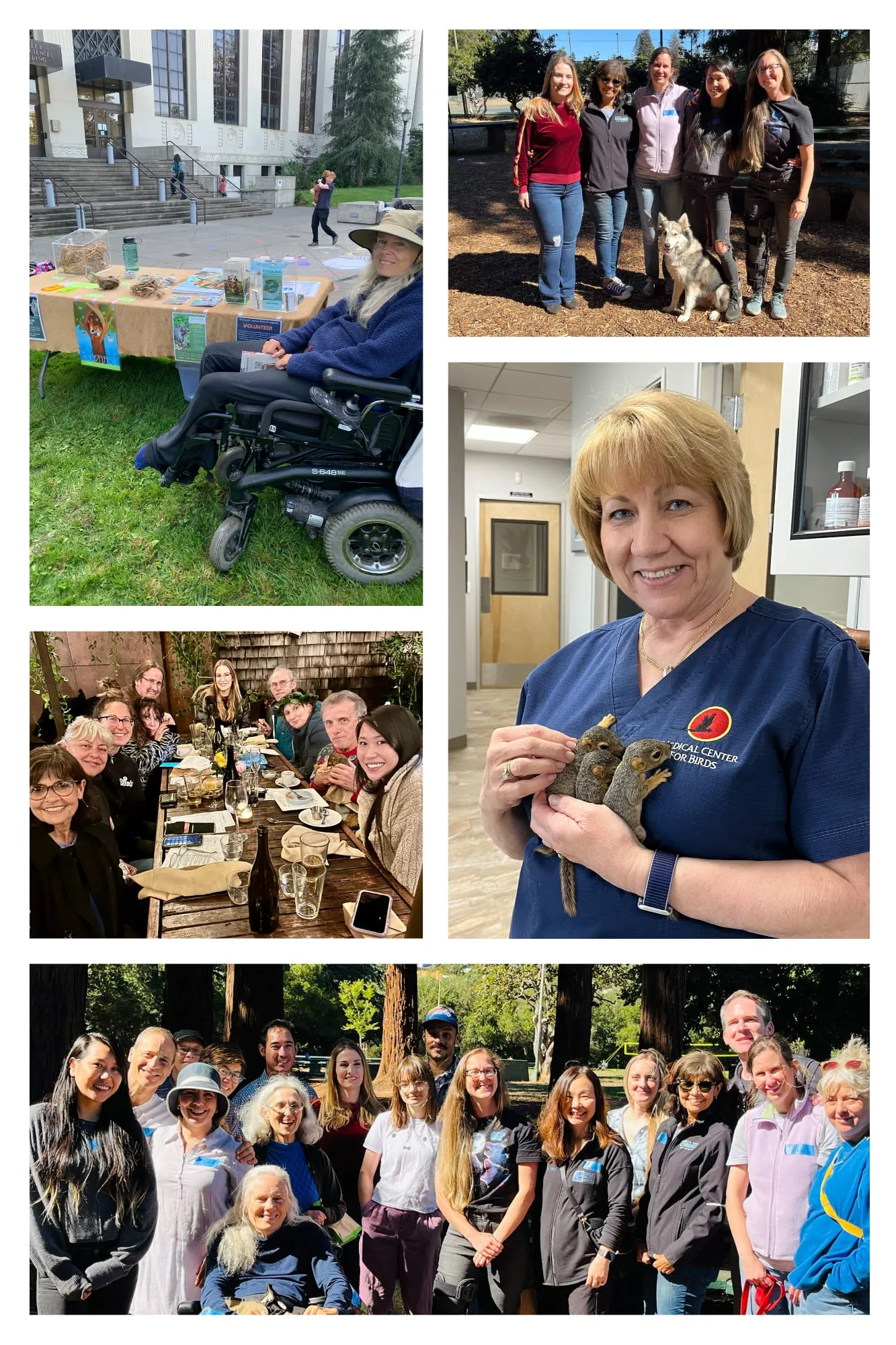
Thank you for your support, your time, and your love of wildlife. Thank you for walking this path with me, and with Yggdrasil Wildlife.
Happy New Year to you from all of us at Yggdrasil Urban Wildlife Rescue.
Sincerely, Lila Travis, Founder and Director
Thanks to you, in 2023, Yggdrasil…
- Gave 764 wildlife animals a second chance at a normal life.
- Helped thousands via our wildlife hotline: 2,700+ by phone and 10,500+ by text.
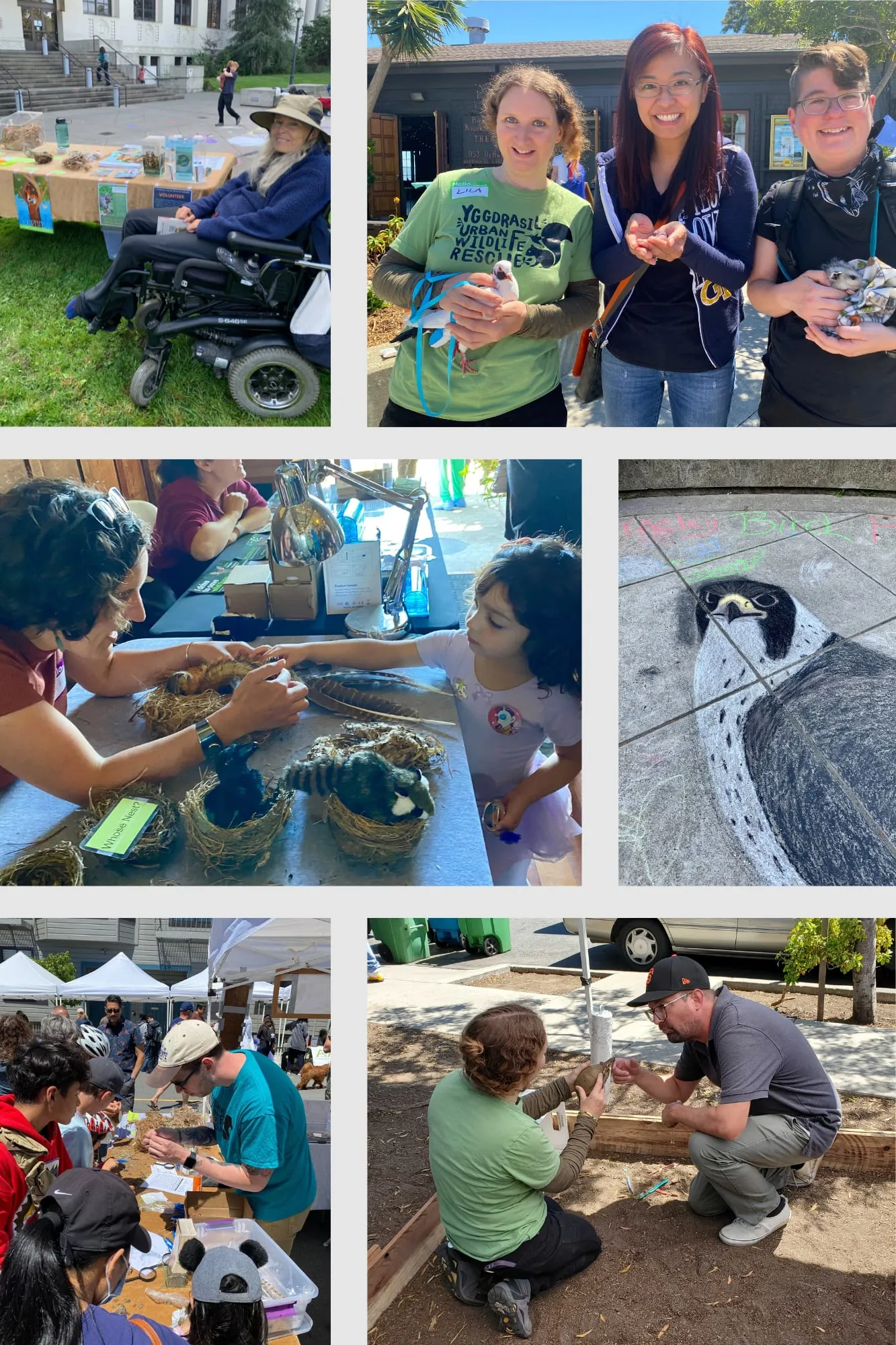
- Educated and inspired thousands through outreach education programs.
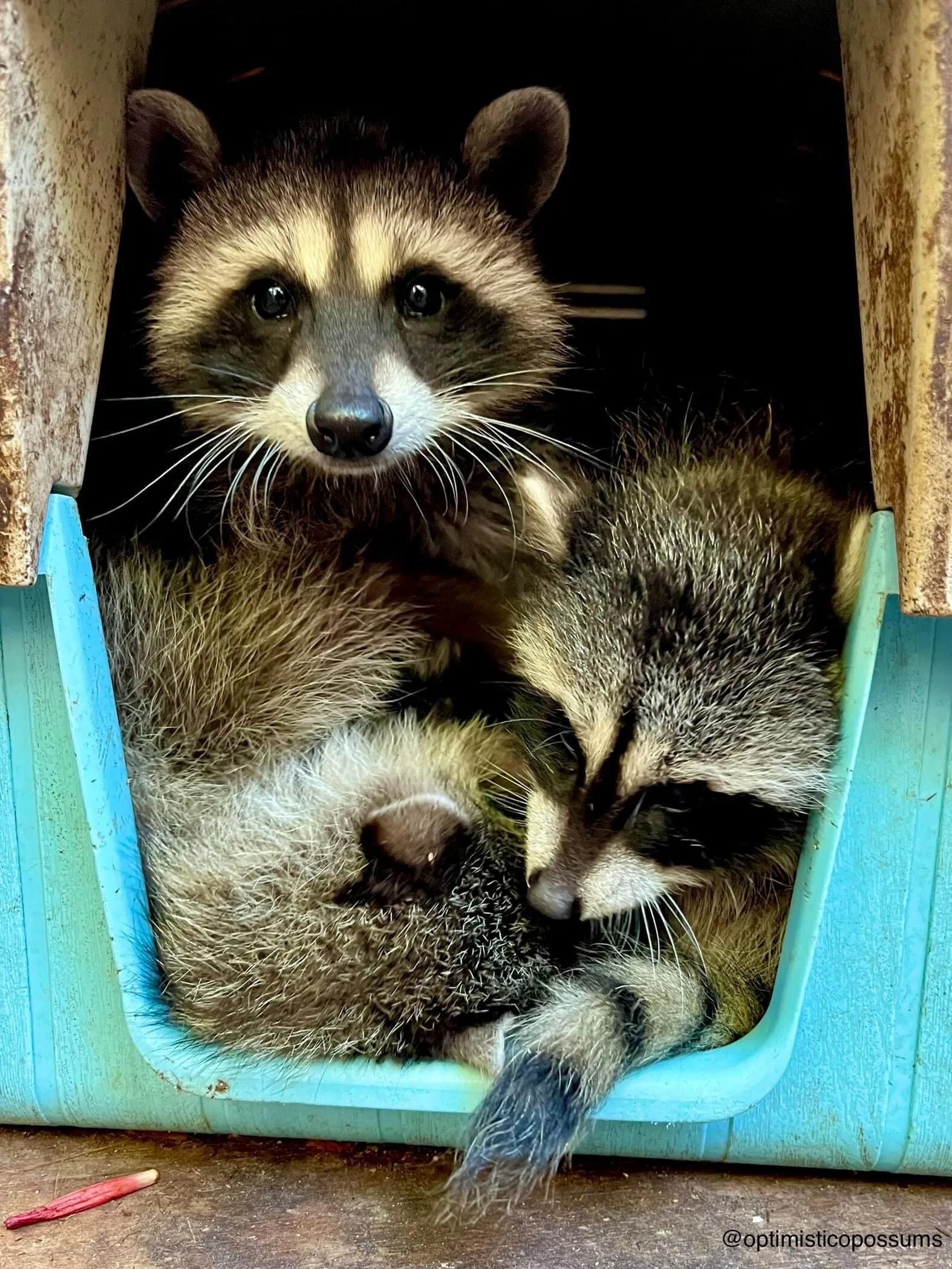
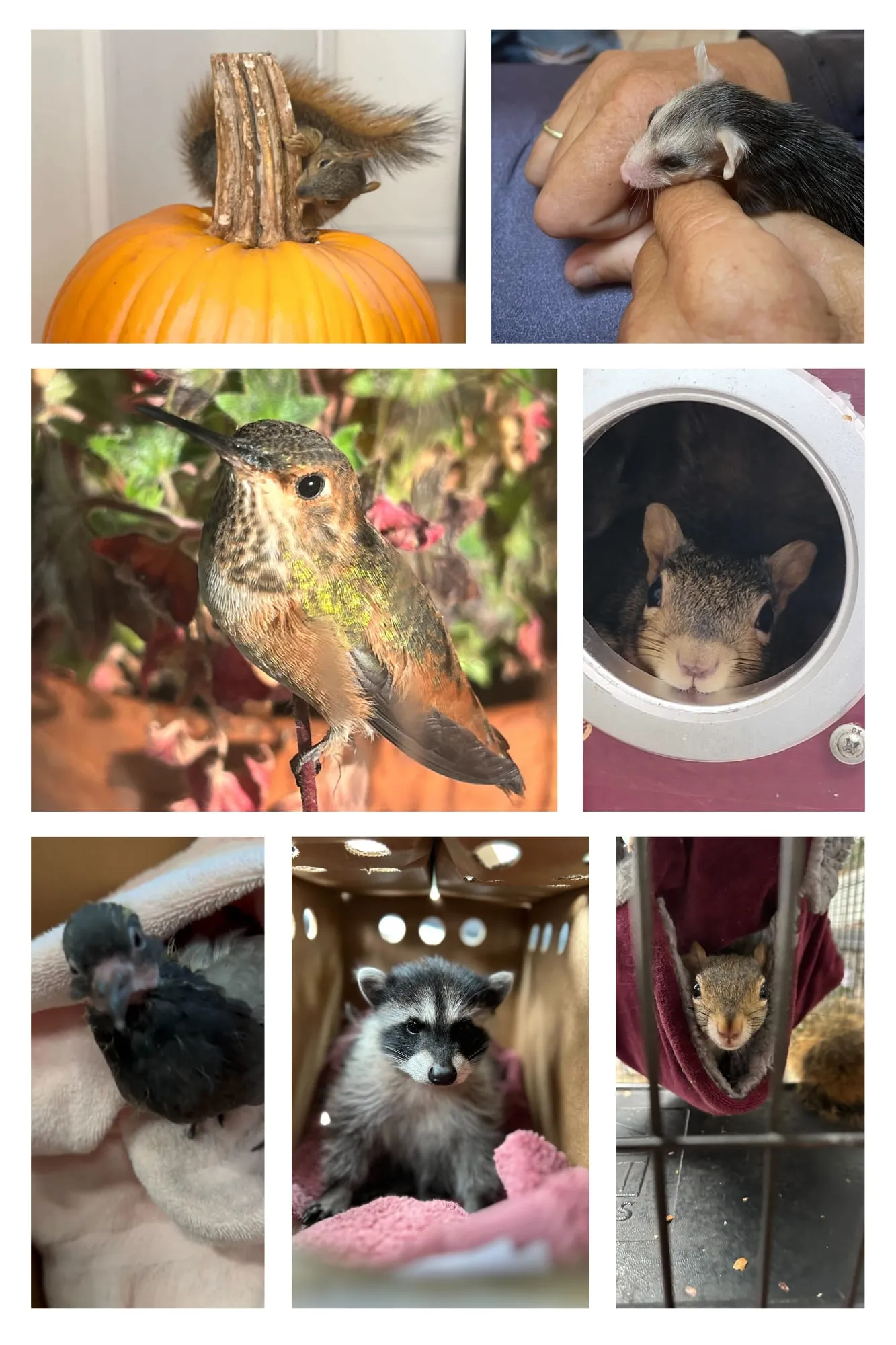
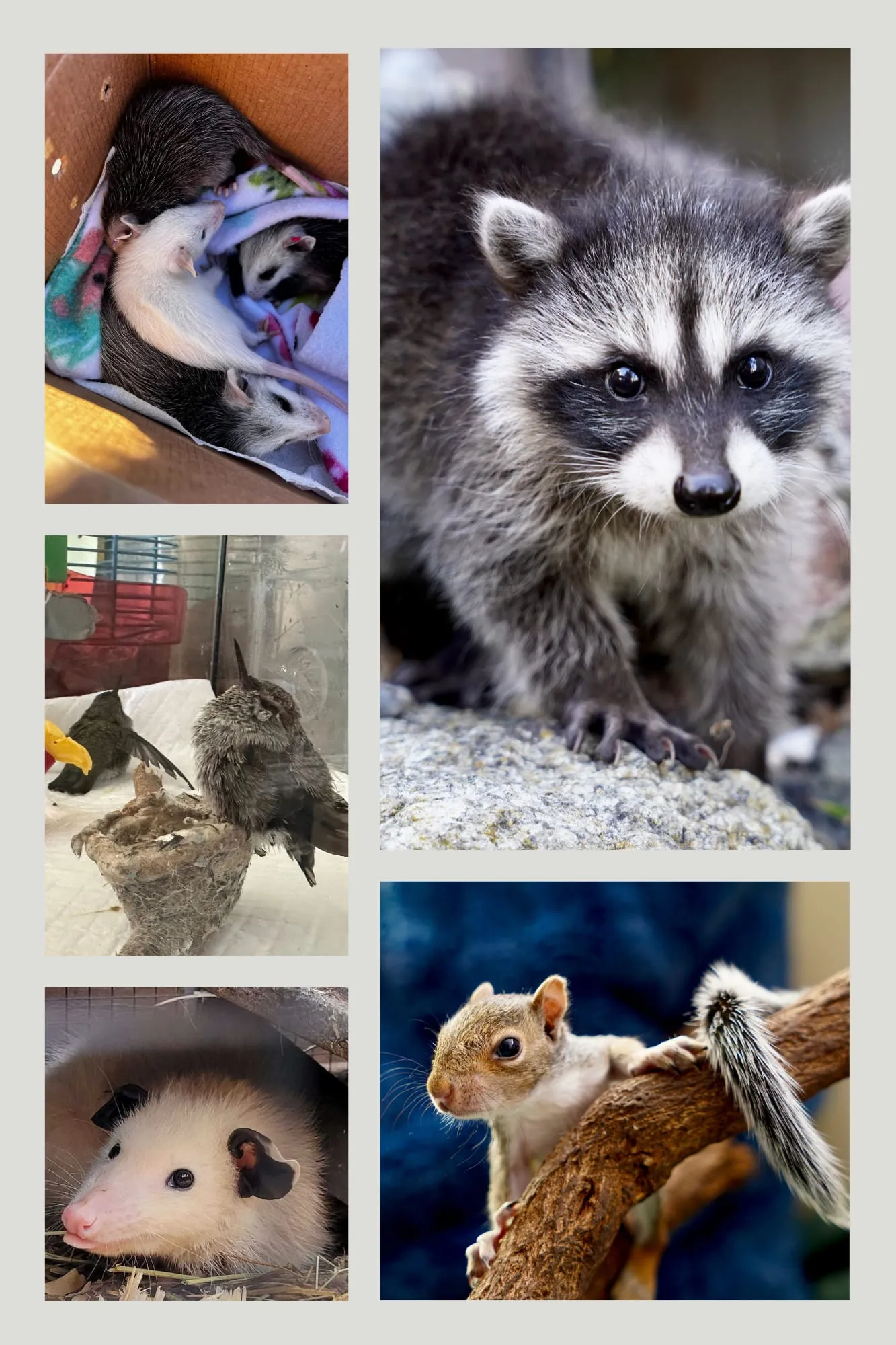
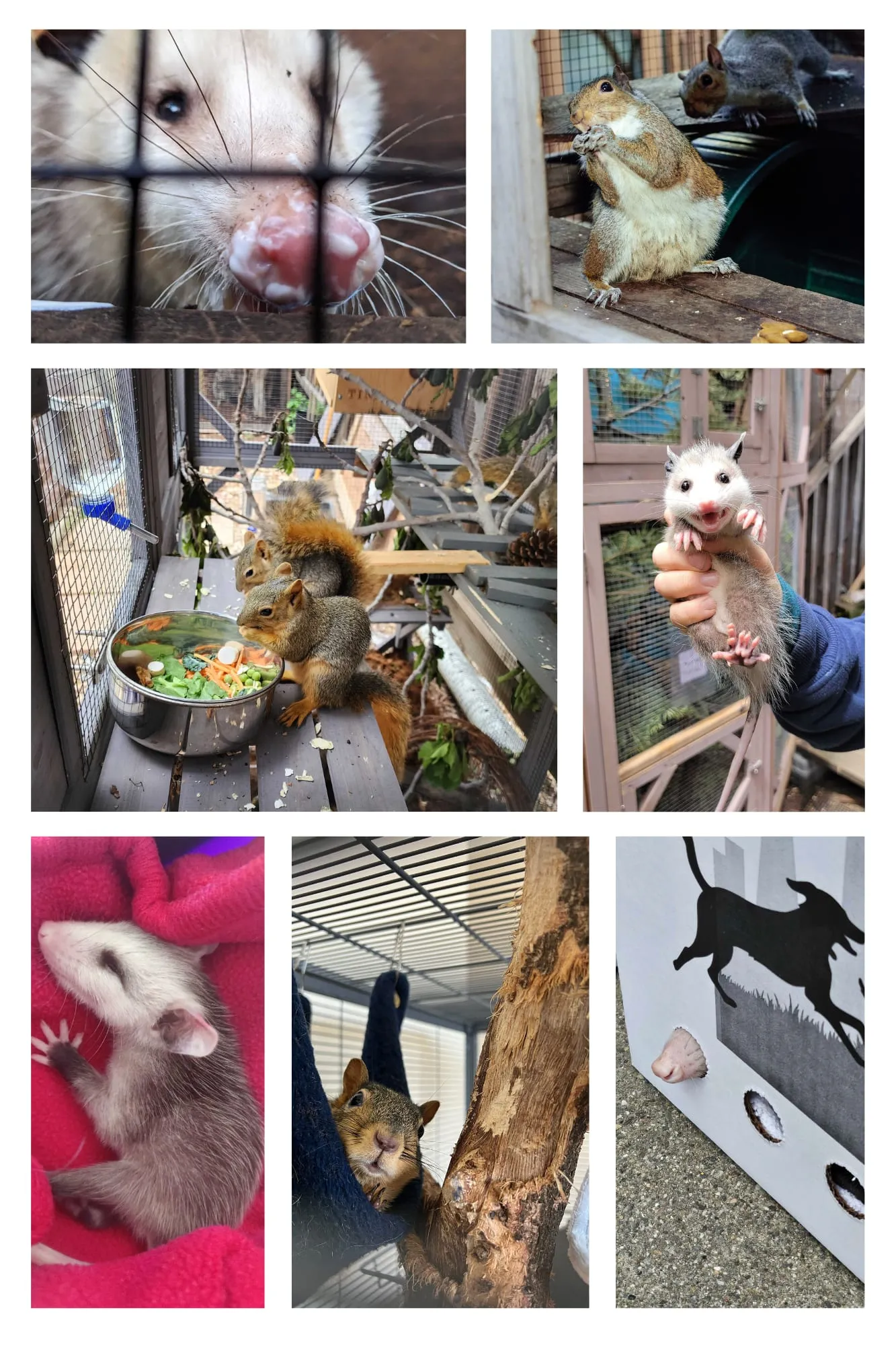
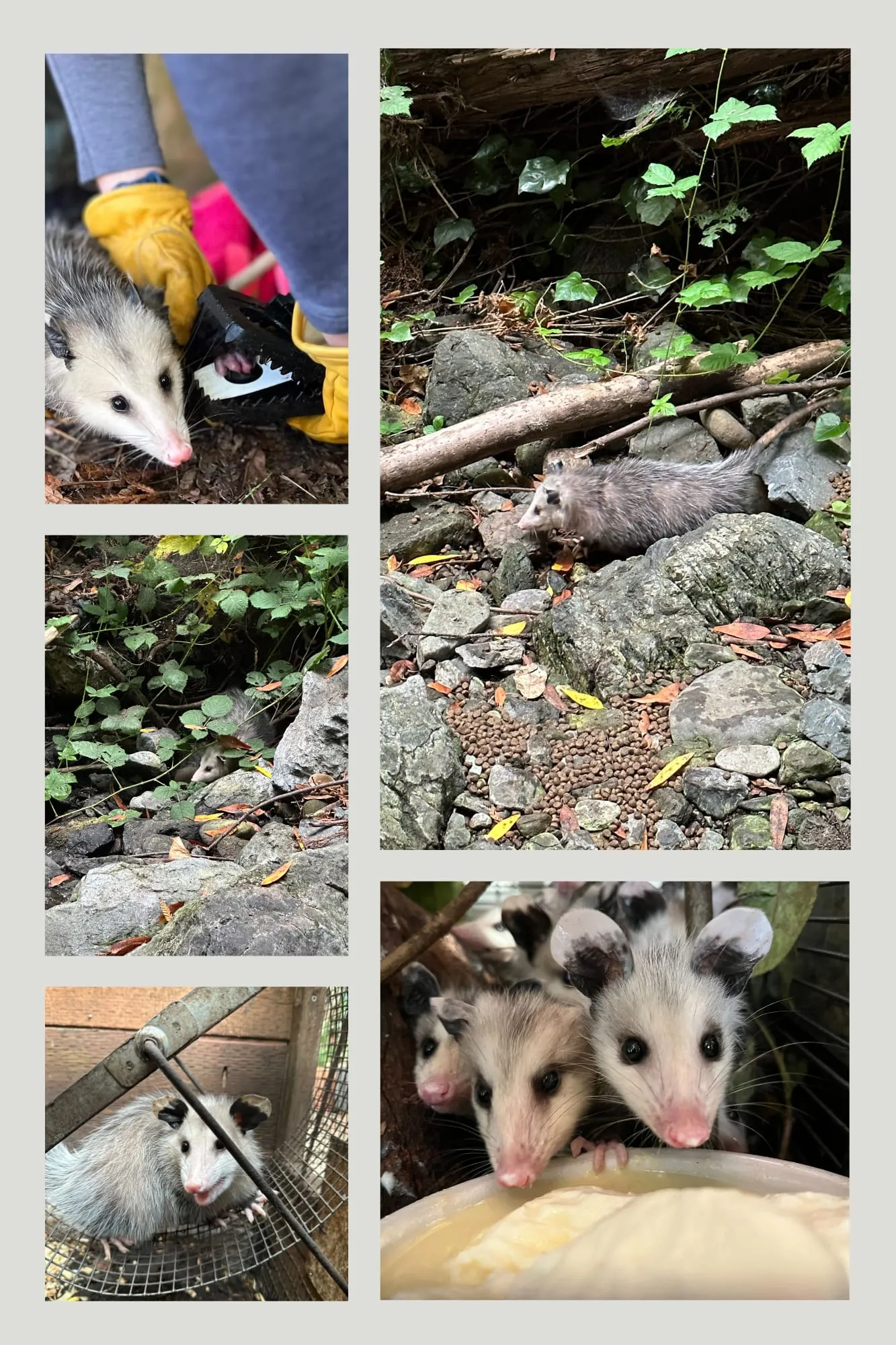
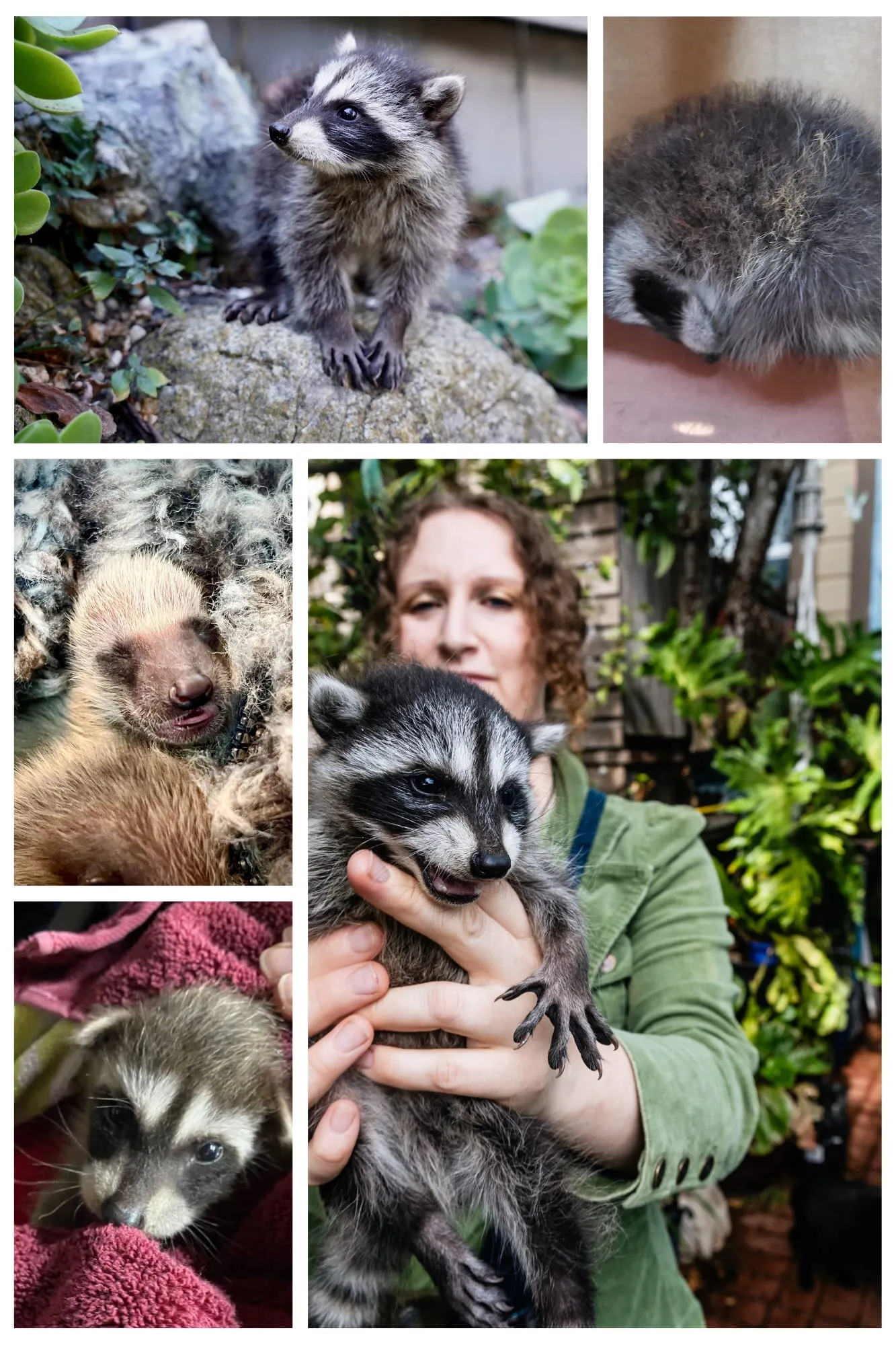
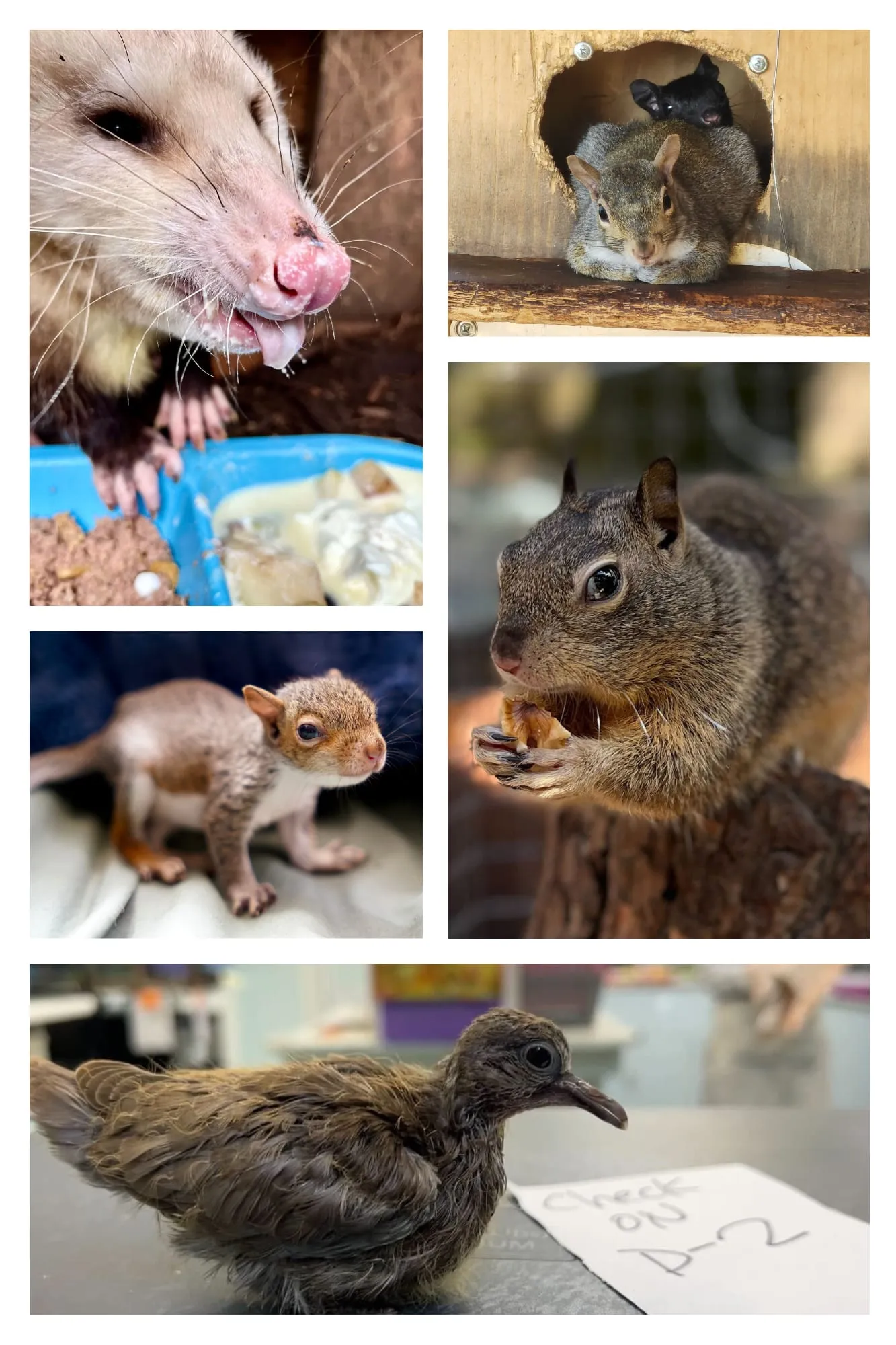
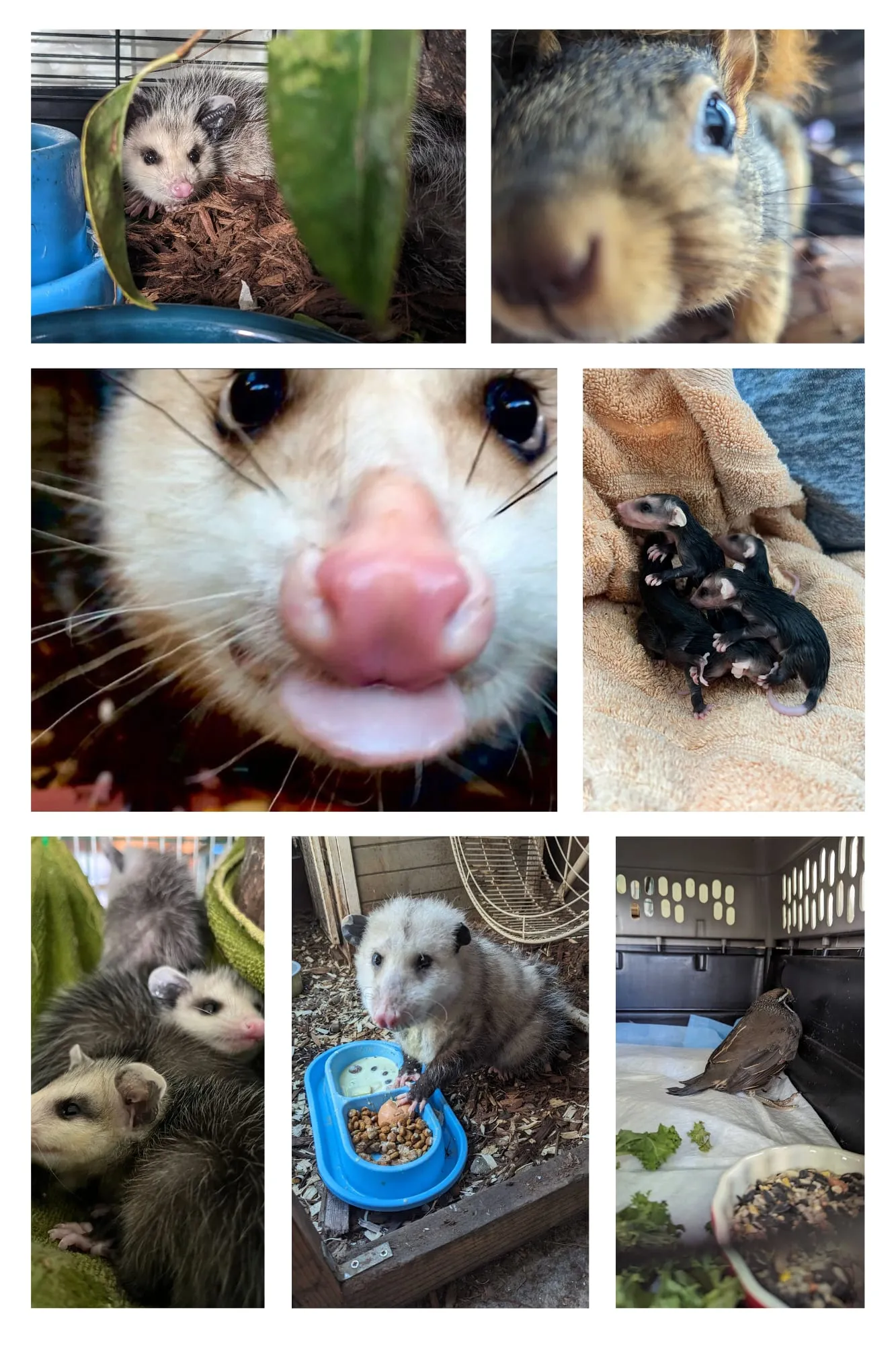
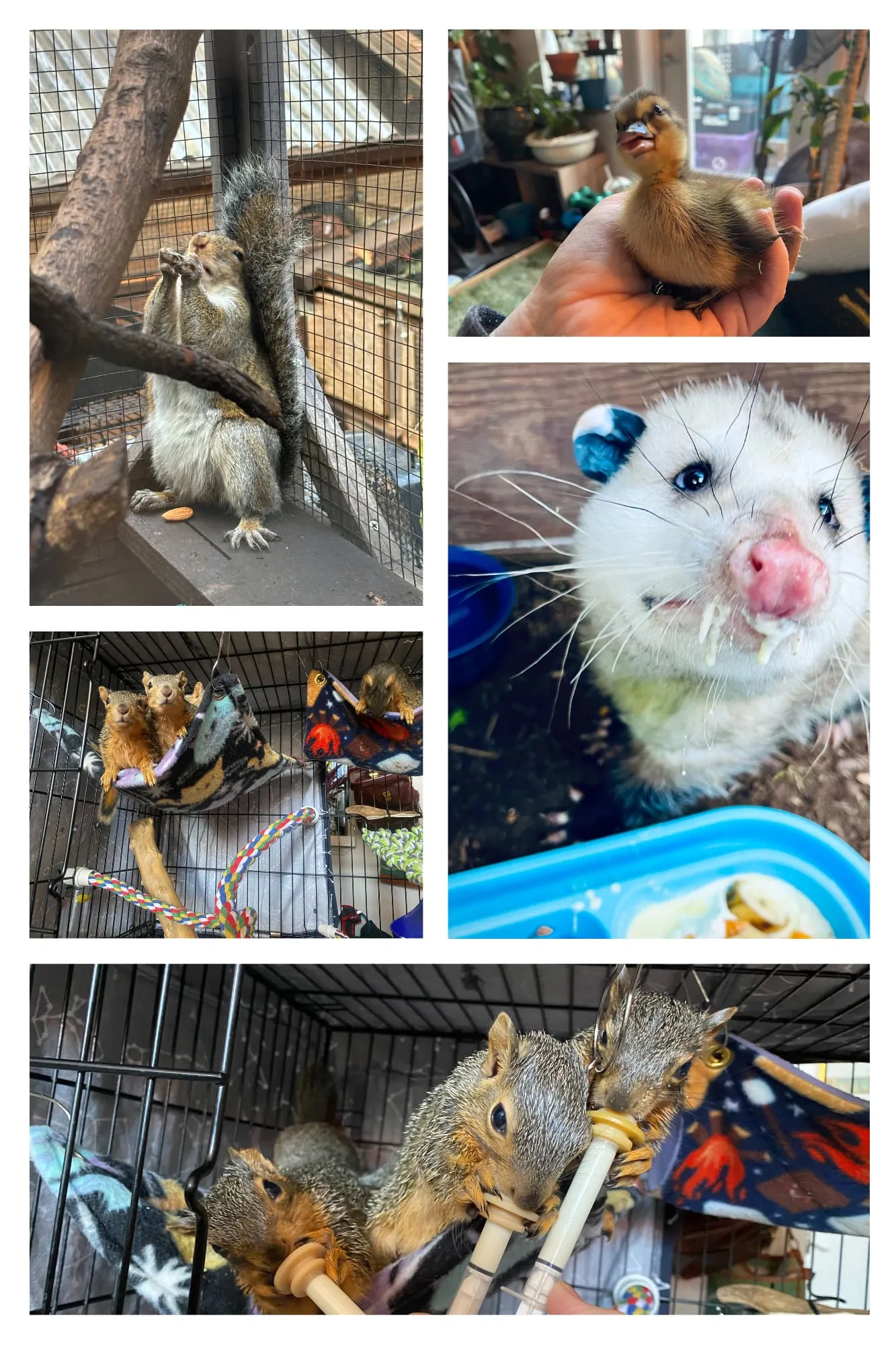
Some of the 764
Wild quiz
- Which local wild mammal can see in full color, just like we do? Raccoon, opossum, squirrel, or deer?
- Which local wild mammal has a natural body temperature too low for the rabies virus to survive in? Squirrel, deer, skunk, or opossum?
- Which local wild mammal is so near-sighted that it can only see 12 inches in front of its nose? Deer, skunk, raccoon, or opossum?
Answers at the end.
Special thanks to
- Support from people like you.
- Our veterinary partners.
- San Francisco Animal Care and Control, for in-kind supply donations and veterinary support.
Help wanted
- Intake Team. Medical or vet-tech experience is helpful, but we will train.
- Opossum Team Lead. Experience rehabilitating opossums is desired for team leadership.
- Opossum Foster-to-Forest ReWild Team. No experience required.
- Squirrel Infant Foster Care. No experience required, but always appreciated.
- Squirrel Foster-to-Forest ReWild Team. No experience required.
- Build Team. Help construct and repair outdoor wildlife pre-release enclosures.
- Transport Team. Help save lives by driving animals and supplies around the Bay Area.
- Social media team and reel maker. We need help getting the word of YUWR out.
Soft-release sites
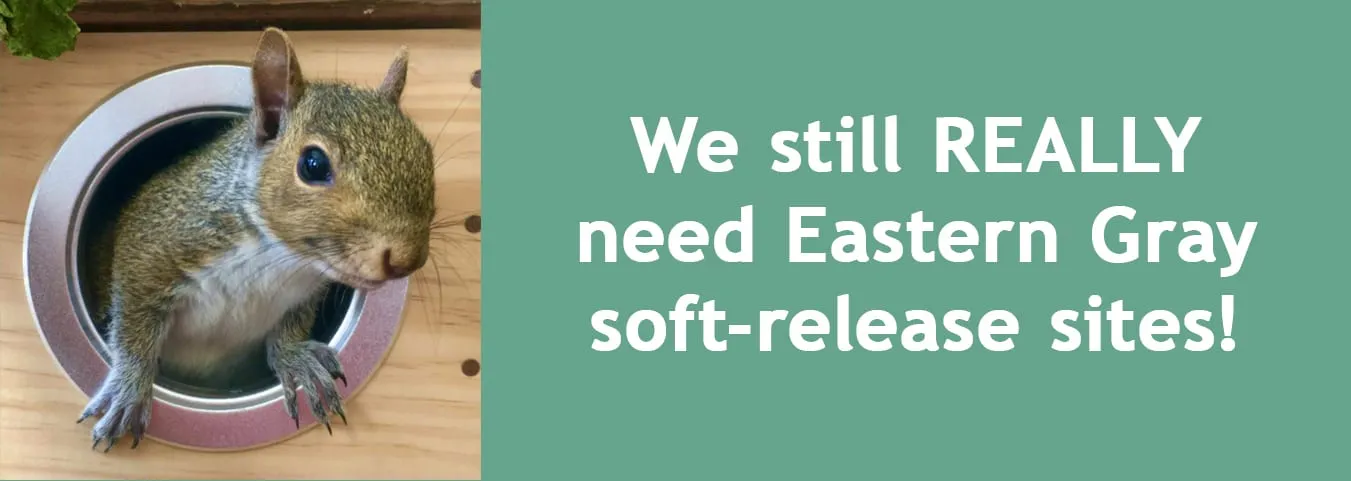
Do you have friends with green space in the North Bay, South Bay, San Francisco, San Mateo County, or other areas in Eastern gray tree squirrel territory? We need more Eastern gray soft-release sites across the Bay Area, as we’re required to release squirrels within 10 miles of where they were rescued.
Do you live near a forest or a creek, far from cars and dogs? We also need support stations where we can set up soft-release locations for some of our older adult opossums who need a little extra help when being released into the wild. Email [email protected] if you can help with either.
Quiz answers
- Squirrels see in full color. In fact, they do not open their eyes until they are five weeks old, because it takes their eyes longer to develop. Compare that to cats and dogs, who open their eyes in the first two weeks.
- Opossums have a normal body temperature of 92 to 95 degrees. The rabies virus, which can infect any mammal, needs a body temperature of 98 degrees to survive. The rare times an opossum has become infected with rabies, it was because the opossum had a fever that raised its temperature to 98. Remember that although opossums drool, it is because they are scared of you and their defense is to look unappealing. They are very beneficial to our environment, eating mice, rats, slugs, ticks, and snails.
- Skunks are extremely near-sighted and can only see 12 inches in front of their noses. Because of this they get startled, which causes them to spray. A skunk has a limited amount of spray and needs to save it for life-threatening situations. If you see a skunk about to cross your path, make some noise to let it know you are there; it will turn around and go another way. The same is true when you let your dog into the yard at night: turn on the lights and make some noise first. The skunk, and your dog, will thank you.
And tomato juice was busted years ago as ineffective at removing skunk spray. You need to neutralize the chemical reaction: 1 quart of 3% hydrogen peroxide, 1/4 cup baking soda, 1 teaspoon dish soap.
Our organization is still 100% volunteer-run and donation-funded after 20+ years. We are a grassroots 501(c)(3) nonprofit and all donations are tax-deductible.