2020 in a nutshell
The pandemic shut down our volunteer program and quadrupled intake in the same month. 552 animals later, we had rebuilt the whole organization.
Published January 5, 2021
- Animals helped
- 552
- Hotline calls
- 1,500+
- Hotline texts
- 6,000+
Director’s letter
This year has been unique. A unique year with unique challenges, not just for Yggdrasil, but for the world we all share.
Our volunteer-run wildlife rescue was not immune to 2020’s surprises. When the pandemic hit, Yggdrasil was in the Catch-22 position of suddenly having to shut down our volunteer and event programs, while facing quadruple the number of wildlife intakes.
This sudden increase in wild animal patients was due to a few reasons. The shelter-in-place order allowed people to spend more time in nature, resulting in more wildlife rescues. Additionally, the closing of some Bay Area wildlife centers put more pressure on the centers still operating. At the same time, the fundraising and event programs that sustain Yggdrasil were temporarily suspended, leaving us in a precarious position: understaffed, underfunded, and over patient capacity.
Challenging times require flexible thinking. Yggdrasil set up a leadership team and completely redesigned the volunteer program to fit COVID-19 safety guidelines and delegate responsibilities among team coordinators. We launched fundraising campaigns and volunteer recruitment efforts. By the summer, we had found new footing and were taking in hundreds of injured and orphaned animals, resulting in over 550 wildlife intakes in 2020.
In the end, 2020 was a year of rebirth and growth. Like a phoenix, the legendary bird from Greek mythology, we were set aflame. Rather than be consumed by these challenges, Yggdrasil has been reborn.
In 2021, a year marking Yggdrasil’s 20th anniversary as an organized nonprofit, we will continue to fine-tune our operations and launch a rebranded look to celebrate our progress. We look forward to meeting whatever challenges face us in the future.
Thank you for your continued support. It is vitally needed every year, but especially this year.
Sincerely, Lila Travis, Director
Thanks to you, in 2020, Yggdrasil…
- Gave 552 wild animals a second chance at life.
- Helped thousands via our wildlife hotline: 1,500+ by phone and 6,000+ by text.
- Educated and inspired the public through our education, outreach, and volunteer programs.
Rescue tales
With the increase in animal patients also come the amazing stories of their rescues.
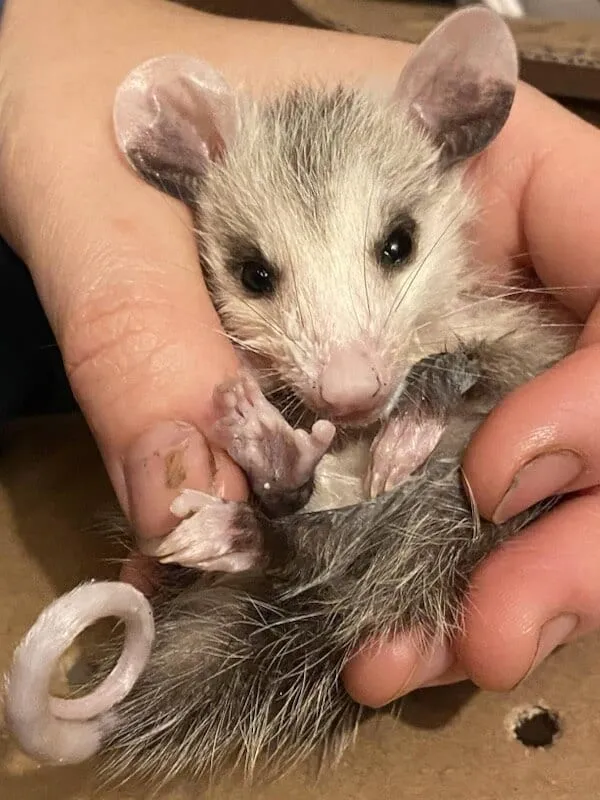
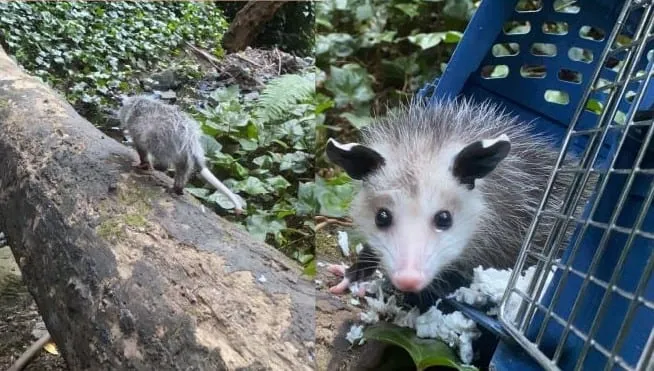
One pregnant opossum hit by a car gave birth in our director’s lap. Another mother opossum arrived with a pouch full of 11 babies. While recovering after her babies were weaned and released, she helped raise 47 additional orphaned baby opossums before being returned to the wild, healthy and capable of survival.
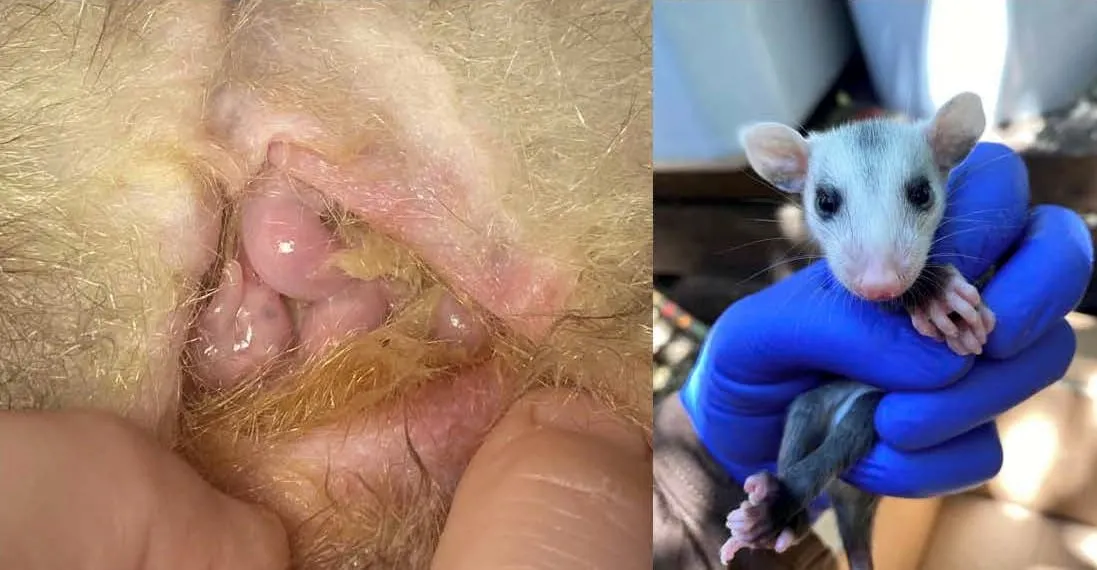
Animal control brought a young opossum found on the 8th floor of a building under construction. How did he get all the way up there? He had collapsed from a systemic septic infection and spent a month receiving antibiotics and nutritious food before being released healthy enough for a real second chance.
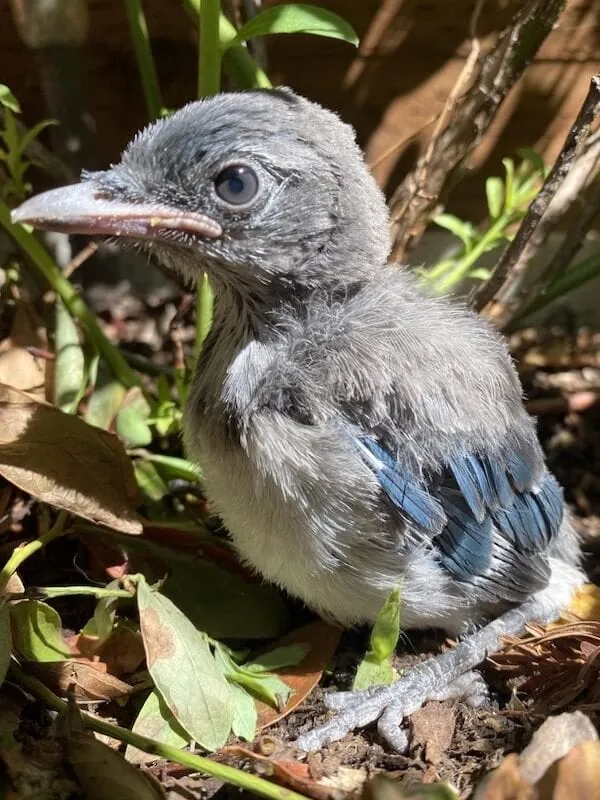
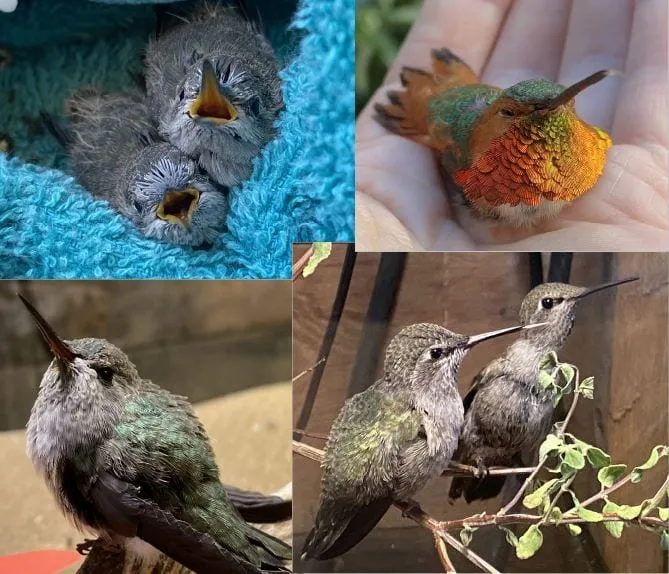
It was also a banner year for hummingbirds at Yggdrasil. With heavy windstorms knocking nests out of trees and prolonged exposure to bad air quality causing confusion and injury, our aviary was full all season. So many concerned citizens rescued hummingbirds this year that the number of patients in 2020 exceeded any year in Yggdrasil’s history.
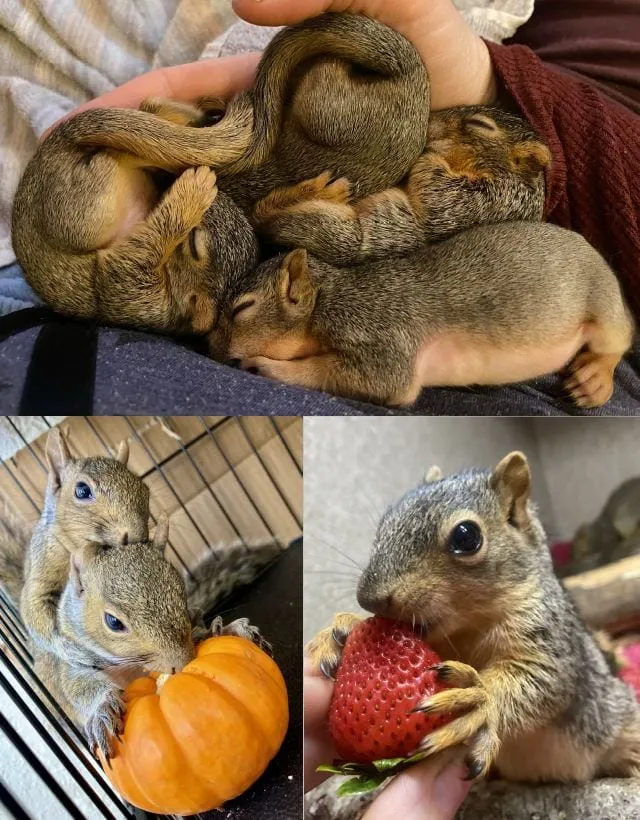
Yggdrasil also helped hundreds of orphaned baby squirrels this year: babies who fell from trees or were attacked by dogs; babies orphaned when their mothers, confused from prolonged exposure to the smoky air, miscalculated while running across a street; even babies kept as “pandemic pets” by finders who thought they were cute, but didn’t realize their considerable needs and wild nature.
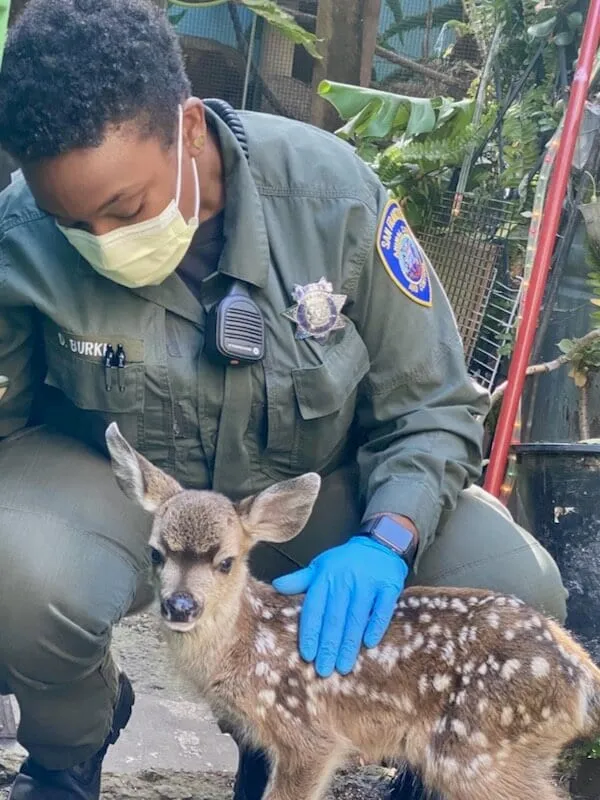
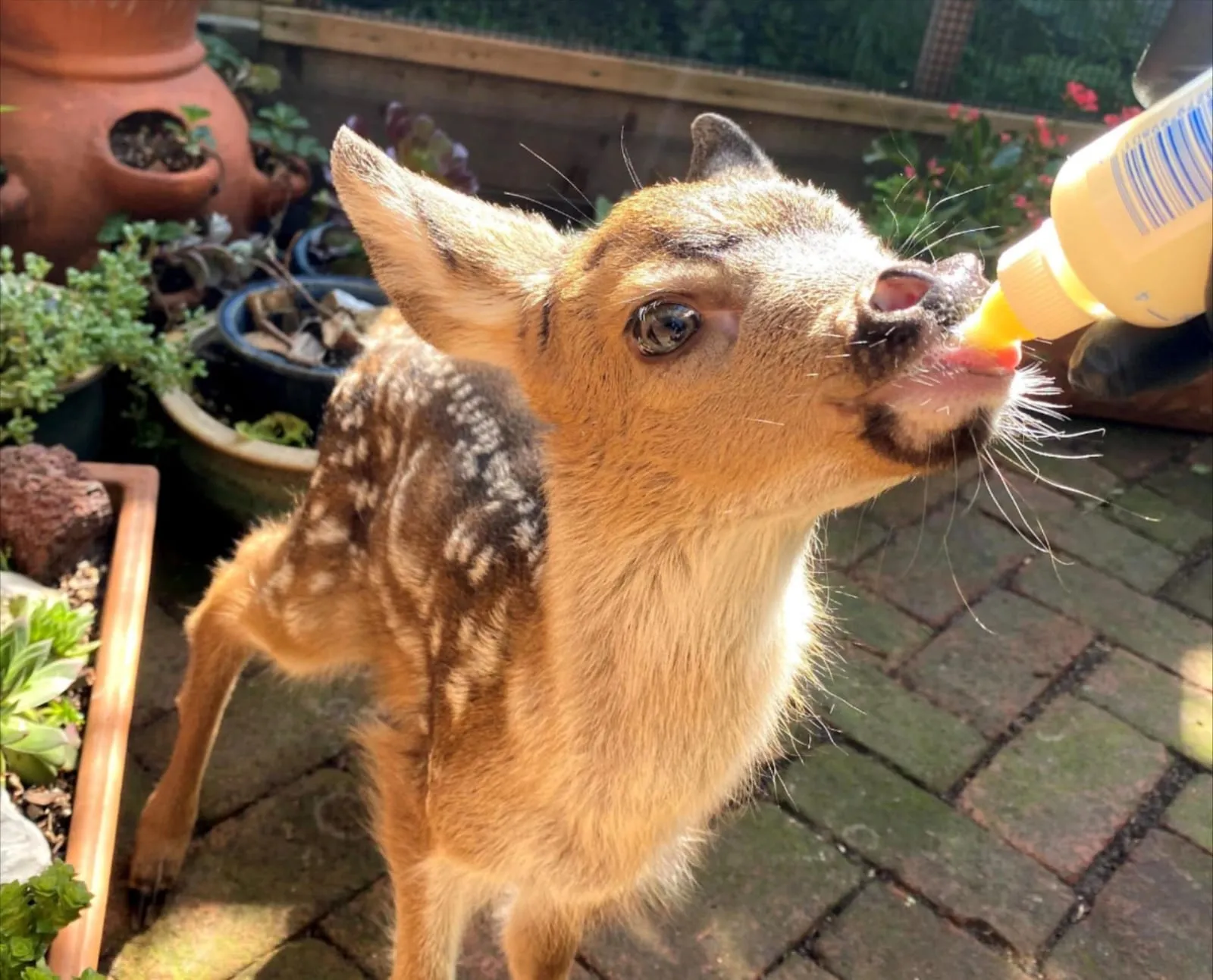
2020 also brought its share of fawns in distress. Yggdrasil developed an educational one-pager to help people understand the difference between a fawn waiting for its mother to return and a fawn who is in serious distress and needs our help.
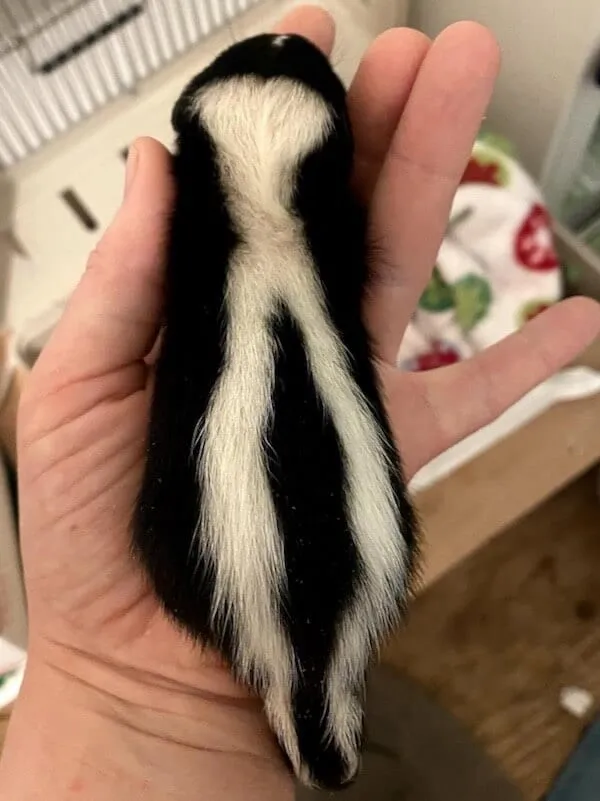
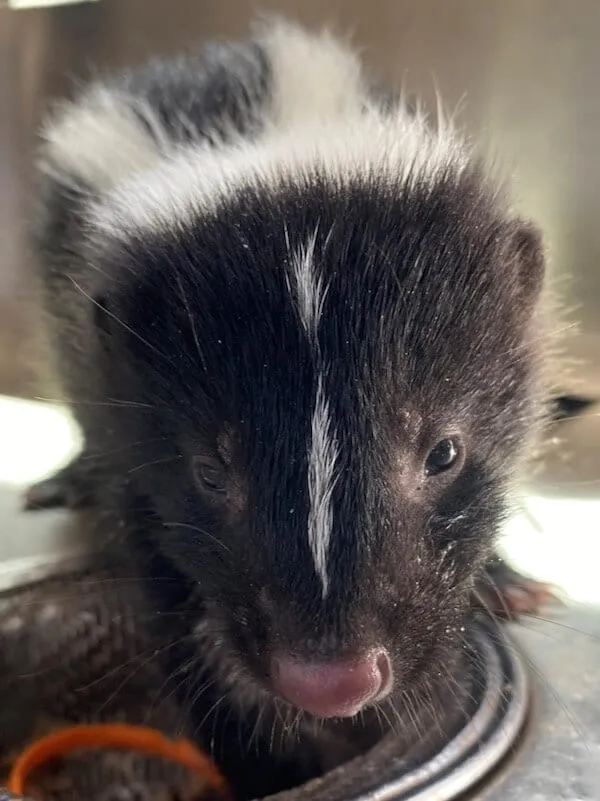
The number of orphaned skunk kits in need also increased with the COVID-related closure of surrounding wildlife centers. Yggdrasil worked to pick up the slack and cover areas usually handled by closed centers.
Wild quiz
- True or false: Squirrels see in full color. Their vision ranges even farther than humans’, into the ultraviolet and infrared spectrum.
- True or false: Opossums eat mice and rats, don’t get rabies, and have a natural anti-toxin in their blood that is being synthesized in hospitals to save human lives.
- True or false: Squirrels are one of the leading spreaders of rabies.
- True or false: If hummingbirds were the size of an adult human, they would need to drink a soda can’s worth of sugar per minute.
- True or false: Skunks only see approximately 12 inches in front of their face, so it is best to make noise so they know you are there and are not startled into spraying.
Help wanted
Yggdrasil has restructured our volunteer program and we are looking for qualified applicants. Positions include Opossum Infant Foster Care, Opossum Team Lead, Squirrel Infant Foster Care, Squirrel Foster-to-Forest, Build Team, and Transport Team.
Special thanks to
- Support from people like you.
- Pet Food Express’s in-kind donation program.
- San Francisco Animal Care and Control’s in-kind supply donations to help in emergencies.
Quiz answers
- True.
- True. Opossum body temperature is too low for the rabies virus to replicate. The only instances of opossum rabies occurred when the opossum was already sick with a fever.
- False. Squirrels have dry mouths, like parrots, and rabies requires saliva to transmit. If you are bitten by a squirrel you do not need a rabies shot.
- True.
- True.